

A wet umbrella leans against the wall, shoes are left on a towel that immediately bunches up, and a damp coat lands on the back of a dining chair. By the next morning, the entry looks untidy and the whole apartment has acquired that faintly humid, outdoorsy smell. The problem is not that you need a grand mudroom. You need a small, repeatable place for wet things to stop, drain, and dry before they spread through the home.
A rainy-day drying zone is a deliberately modest setup near your entrance: one area for drips, one place for hanging, and one simple routine for moving dry items away. It can fit beside a door, in a shallow hallway, or on the inside of a closet door. The goal is containment, not a picture-perfect entry.
The most useful entry setup does not make rain disappear. It gives rain a predictable place to finish being rain.
Start by following the path of the water
Wet belongings create different kinds of mess. Shoe soles bring in grit and puddles. Umbrellas release steady drips. Coats and backpacks hold moisture in fabric. If all of them go onto the same tiny mat or chair, nothing dries well and the moisture travels farther into the room.
Think in a short sequence instead:
- Catch: contain water at the floor or wall edge.
- Drain: give umbrellas and shoes a place to release the obvious water.
- Air: separate damp fabrics so air can reach them.
- Clear: move items out once they are dry, rather than letting the drying zone become permanent storage.
This sequence matters because drying is easier when items are not stacked. A bag pressed against a wet coat or shoes packed toe-to-heel in a deep bin may stay damp long after its surface looks dry.
Choose a location that can tolerate a little imperfection
The ideal spot is close enough to the door that people will use it before walking through the apartment. It also needs enough air circulation that a damp coat is not sealed into a dark cabinet. A patch of wall beside the entry, the end of a hallway, or the floor just inside a utility closet can work.
Do not make the zone so large that it narrows a walkway or blocks the door swing. In a very small entry, it is better to create a narrow vertical station than to put a bulky bench or oversized basket on the floor.
Before buying anything, stand at the door with the items you actually carry on a wet day: umbrella, coat, shoes, bag, perhaps a leash or stroller cover. Notice what needs to be put down first. That is where the catching surface belongs.
Use a floor layer that stays flat
A shallow waterproof boot tray, a low-sided plastic tray, or a washable rubber mat provides the base. The useful feature is not style; it is a defined edge that prevents drips from wandering across the floor. Choose something broad enough for the footwear normally arriving at once, rather than for a single neatly placed pair.
If your flooring is delicate, keep the waterproof layer between wet objects and the floor. Avoid relying on a folded bath towel alone. Towels absorb water but can become saturated, slide around, and hold moisture against the floor if they are not changed promptly.
For umbrellas, use a narrow umbrella stand with a drip-catching base, or place a small tray beside a wall hook. A closed wet umbrella in a deep container can remain wet for a long time, so leave enough room for it to be opened slightly or hung to air once the initial dripping has stopped.
Build upward instead of outward
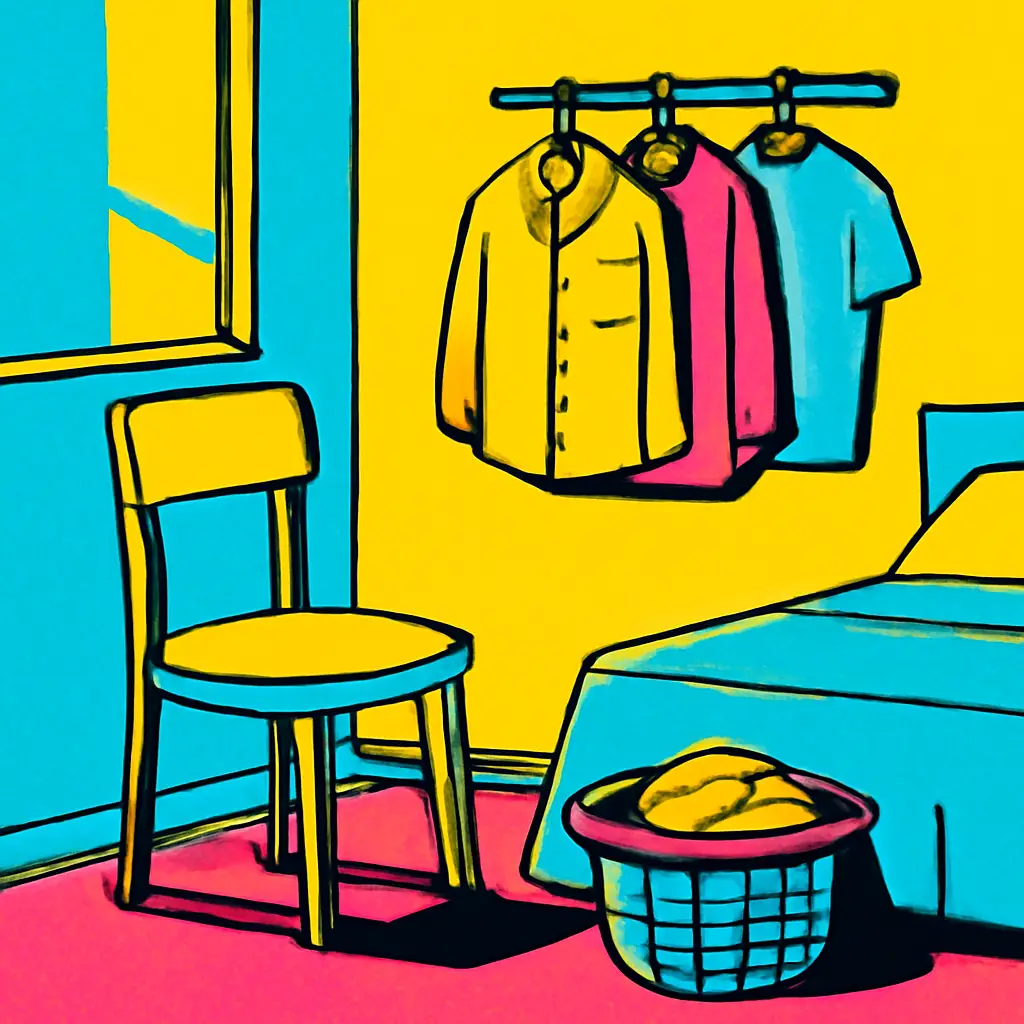
Most apartment entries lack floor space, but a few inches of wall or door-back space can do useful work. Give wet outerwear its own temporary hanging point. A wall-mounted hook, over-the-door hook, or freestanding coat stand can work, provided it is stable and does not interfere with opening the door.
Keep hooks spaced far enough apart that coats are not packed together. One hook per regular household member is often more functional than a crowded rack with many small hooks. If a coat is very wet, turn pockets out if practical and unzip it so the inner lining is not trapped against itself.
Backpacks and tote bags deserve a separate hook when possible. They are easy to overlook, especially if they are set directly on the floor after a commute. Hanging them by a sturdy loop lets damp fabric air out and keeps wet bag bottoms away from other belongings.
Add one item for small wet essentials
Gloves, hats, and reusable shopping bags tend to vanish into coat pockets or get dropped on a radiator. A small open basket or perforated bin near the hanging area gives them a visible holding place. Choose an open container rather than a lidded box: the point is to keep small items together while they dry, not to seal in moisture.
Do not put electronics, paper tickets, leather goods, or anything that should not be damp into this bin. The drying zone is for things that arrived wet, not a catchall for every item from your pockets.
Make the setup work for shoes you need tomorrow
Wet shoes create a particular problem because people want them dry by the next outing, but direct high heat can be hard on many materials and adhesives. The safer everyday approach is gentle airflow and patience.
- Remove loose dirt before bringing shoes beyond the tray, if possible.
- Loosen laces or open closures so the interior is less enclosed.
- Take out removable insoles if they are wet and allow both parts to air separately.
- Stuff shoes loosely with clean, dry paper to draw out moisture; replace the paper once it feels damp.
- Keep pairs separated rather than nesting one inside the other.
Place shoes near normal room airflow, not directly against a radiator, space heater, or other intense heat source. Avoid drying items on or too close to heating equipment, and keep wet belongings away from electrical outlets and cords. If footwear remains damp after airing, continue drying it rather than sealing it into a closet or shoe cabinet.
Some shoes have care instructions that take priority, especially leather, suede, specialty athletic footwear, or items with glued components. The drying zone should make gentle drying easier; it is not a substitute for the maker’s care guidance.
Give umbrellas a two-stage routine
An umbrella causes frustration because it is often handled twice: once when you arrive dripping wet, and again when you need it dry enough to pack away. A small routine prevents it from living permanently in the bathtub or lying across the entry floor.
First, shake off excess water outside when that is practical. Then place the closed umbrella in its drip tray or stand while you remove shoes and outerwear. Once the immediate dripping has eased, open it partway in the drying zone or hang it with enough space around it for the fabric to air. After it is dry, fold it and return it to its usual storage spot.
If space is exceptionally limited, a dedicated absorbent cloth under the umbrella stand can be useful, but treat that cloth as part of the system: hang it to dry or launder it when needed. A soggy cloth forgotten under a stand only moves the moisture problem out of sight.
Protect the zone from becoming entry clutter
The difference between a drying zone and an entry pile is an exit rule. Wet items are allowed there; dry items are not. As soon as a coat, bag, or pair of shoes is dry, it should go back to its normal home.
Make this easy by keeping permanent storage nearby if you can. A coat closet, bedroom hook, shoe shelf, or even a labeled shelf in another room gives each item a clear next stop. If dry shoes must cross the apartment to reach their rack, carry them there after the tray has been wiped down rather than leaving them at the door “for later.”
A quick evening reset is usually enough:
- Check whether any shoes need fresh paper or more air.
- Hang or spread out items that are touching.
- Empty pooled water from trays carefully.
- Move fully dry pieces to permanent storage.
- Wipe the tray, mat, or nearby floor if it is visibly wet or gritty.
This takes less effort than a larger weekend clean because it stops water and dirt from reaching the rest of the home.
Common setups that look tidy but fail in practice
The deep decorative basket
A large basket is tempting because it hides shoes and umbrellas. But wet things piled in a deep basket receive little air, and the bottom can stay damp. Use a basket for dry scarves or slippers instead. For wet items, favor shallow, open containment.
The overloaded coat rack
A rack with every coat, bag, and umbrella layered on top of one another may look organized from a distance, but it slows drying. Keep the rainy-day hooks available by moving dry outerwear to closets or bedrooms.
The absorbent mat with no waterproof backing
A soft entry rug may feel pleasant underfoot, but it is not necessarily built to contain frequent soaking. If it becomes wet through, water can still reach the floor underneath. Pair a washable absorbent surface with a waterproof tray or mat where drips are heaviest.
The hidden closet solution
Closing wet items into a small closet makes the entry look instantly better, but it removes air at the moment it is most needed. Let items become mostly dry first, then put them away. If the only possible location is a closet, keep the door open while things air and avoid crowding the space.
Adapt the zone to the kind of rain you actually get
A household where people walk dogs may need more floor space for muddy footwear and towels. A commuter household may need hooks for raincoats and backpacks. A home with children may benefit from lower hooks and a tray that does not become a tripping hazard. The point is not to copy a staged entryway; it is to solve the repeat mess that occurs at your own door.
For example, in a hypothetical one-bedroom apartment with two people arriving home at different times, the setup could be a low boot tray under two wall hooks, a narrow umbrella stand beside it, and a small open bin on a nearby shelf for gloves. The first person’s coat can air on one hook while the second still has an empty hook. Once both coats are dry, they move to bedroom closets, leaving the entry ready for the next rainy day.
Set it up with what you already have
You can begin without a renovation or matching accessories. A baking sheet or shallow washable tray can temporarily catch drips if it is stable and used only for this purpose. A sturdy existing hook can hold a wet bag. A clean towel can support a drying umbrella for a few hours, provided you hang the towel afterward. Upgrade only when you learn what fails: perhaps the tray is too small, the hooks are too crowded, or the umbrella has no place to air.
Tonight, stand just inside your front door and identify the first surface that gets wet after a rainy arrival. Put one waterproof catch surface there, then designate one hook for damp outerwear. That small boundary is enough to start keeping the weather at the edge of your home.







Ad