

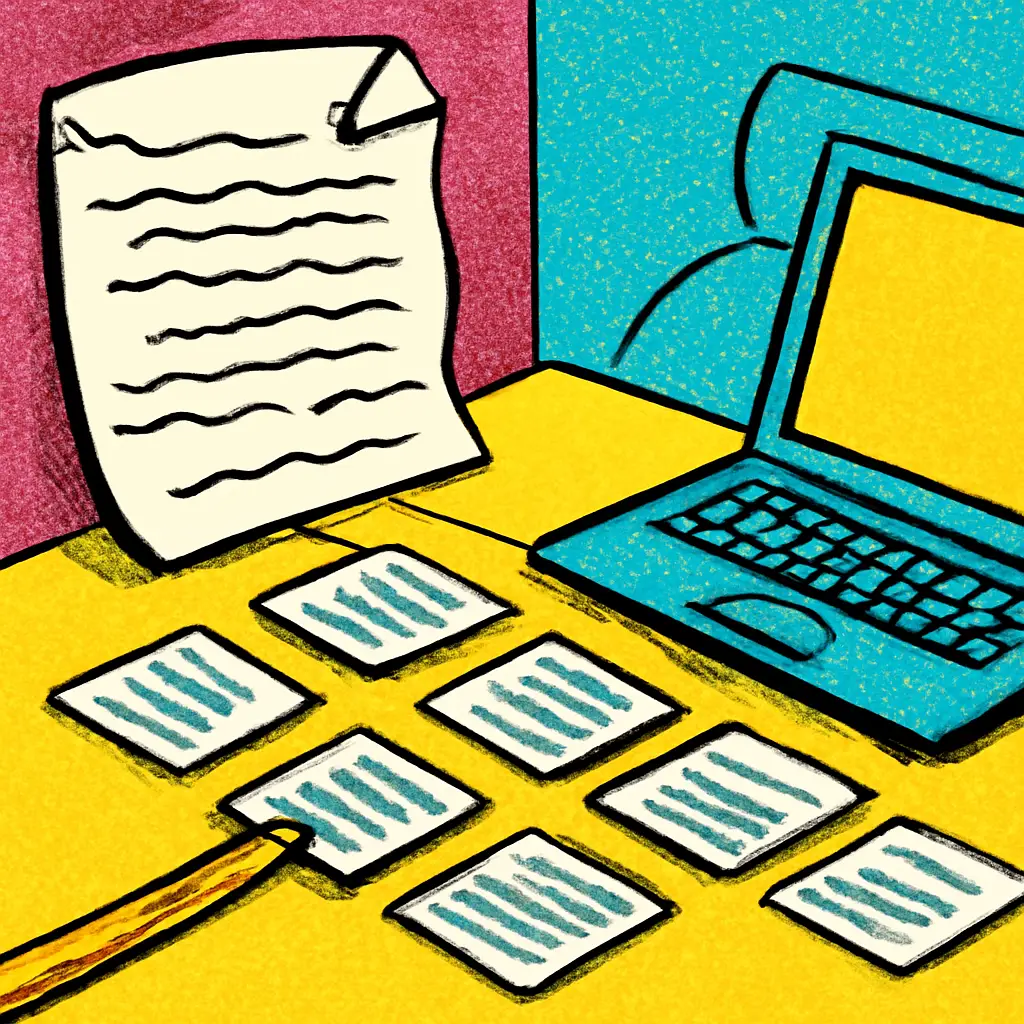
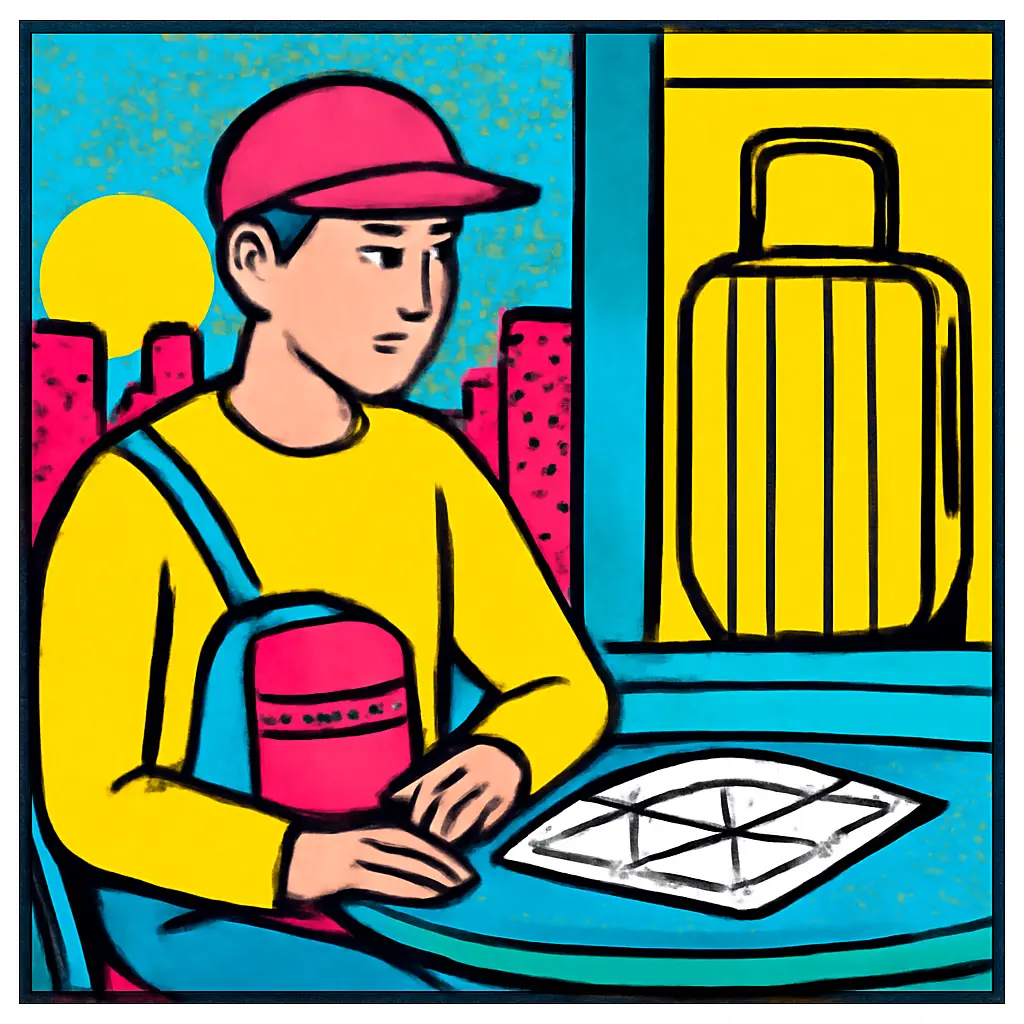
By the third day of a trip, small pieces of paper can become a surprisingly stubborn problem. A boarding pass is wedged into a book. A receipt you may need is mixed with a coffee sleeve. A museum map has been folded into quarters so many times that it is no longer useful. Then, at a counter or checkpoint, the one thing you need is somewhere in the bottom of your bag.
The answer is not to save every scrap or to force yourself to organize a full travel archive while you are tired. It is to give paper three temporary jobs: use now, save for later, or let go. A small, repeatable system protects the documents that matter while keeping your day bag lighter and easier to search.
Travel paper is easiest to manage when you stop treating it as one category. A train ticket for this afternoon and a receipt you might need after the trip deserve different homes.
Why loose paper becomes such a travel nuisance
Paper accumulates because it arrives in moments when attention is elsewhere: checking in, buying lunch, entering an attraction, or rushing toward a platform. Each item looks too potentially useful to discard immediately. The result is a single catch-all pocket that slowly turns into a pile.
That pile creates two different problems. First, it slows down access to time-sensitive items such as a reservation reference, a transit ticket, or a written hotel address. Second, it makes important records hard to identify later, particularly when they are crumpled among duplicates, promotional leaflets, and payment slips.
A dedicated system works because it reduces the decision to something manageable. You are not asking, “Where should this live forever?” You are asking, “Do I need this today, after the trip, or not at all?”
Set up three homes before you leave
You do not need a travel organizer with dozens of slots. A slim zip pouch, a document sleeve, or even three folded envelopes inside a larger pouch can work. The goal is separation, not perfect filing.
| Home | What goes in it | Where to keep it |
|---|---|---|
| Active | Items needed today or within the next day: transit tickets, reservation details, an attraction map, a hotel address, or a baggage claim ticket | An easy-to-reach pocket or the front of a document pouch |
| Save | Receipts, confirmations, warranty paperwork for a purchase, and documents needed for reimbursement or personal records | A closed envelope or zip section inside your main bag |
| Release | Flyers, used tickets, duplicate printouts, wrappers, and notes that have no remaining purpose | A small outer pocket, emptied regularly |
The active section should be deliberately small. If it holds every document from the entire trip, it stops doing its job. Keep only the next required steps in front of you.
The save section needs more protection. Receipts fade, tear, and disappear easily, so avoid stuffing them into a pocket shared with a water bottle, snacks, or loose coins. A plain envelope marked with a pen is enough. If several people are sharing trip expenses, consider separate labeled envelopes or folded sheets for each person rather than trying to reconstruct ownership later.
The release section is not a trash can you carry indefinitely. It is a holding spot for situations where there is no bin nearby, or when you want a few minutes to confirm that a paper is truly finished.
Make the active section a “next 24 hours” folder
The most useful rule is to organize active paper by time, not by type. You may have a train ticket, a restaurant reservation note, and a walking map together because all three are useful this afternoon. Meanwhile, a boarding pass from two days ago does not belong there merely because it is also a ticket.
Put the next move on top
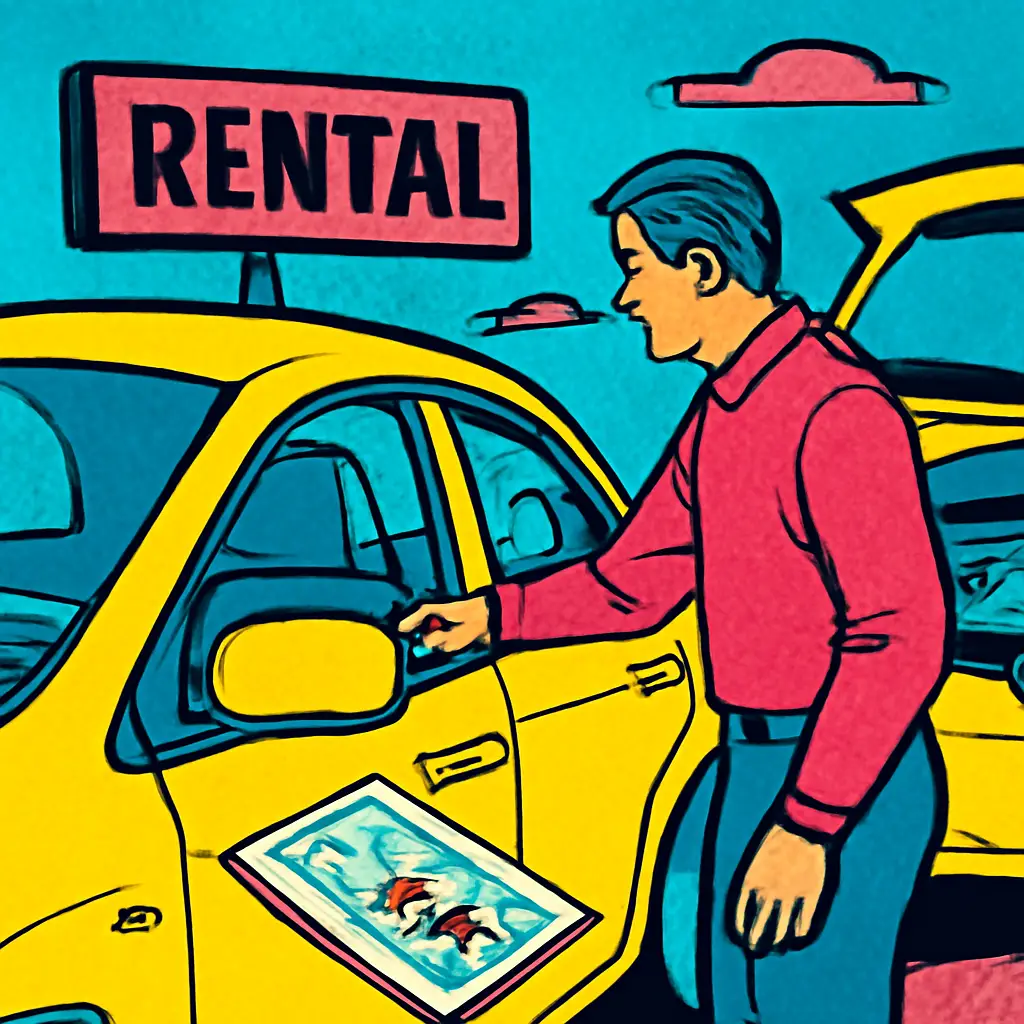
Before leaving a hotel, station, or airport seating area, place the document for your next transition at the front. That might be a rail ticket, luggage receipt, hotel address, or printed rental confirmation. If you are traveling with a paper map, refold it so the immediate area is visible rather than carrying an elaborate origami puzzle.
This small reset is especially helpful when plans have multiple steps. For example, after arriving by train, the ticket can move out of the active section once you no longer need it. The hotel address and local transit information move to the front. The system follows your day instead of preserving a chronological record of everything that has already happened.
Keep identity and payment documents separate
Passports, payment cards, and other essential identity documents deserve their own secure routine; they should not disappear among restaurant receipts and city maps. The paper system is for supporting travel documents, not for creating one more place to hunt for high-consequence items.
Similarly, do not use an unattended bag pocket as a “temporary” home for anything you cannot afford to lose. Temporary habits tend to become permanent when a day gets busy.
Give receipts a purpose before you save them
A receipt is worth saving when you can name a likely reason: a reimbursement process, a return or exchange, a record of a significant purchase, or a shared-expense calculation. Otherwise, it often becomes clutter that hides the receipts you actually need.
When you do save one, add a tiny note while the context is fresh. Write the date, purpose, or the names of people sharing the cost directly on the back if appropriate. A note such as “illustrative example: dinner split four ways” is more useful than an unexplained total later. If writing on it would obscure important information, tuck a small note beside it instead.
For travelers who track spending, sorting receipts by day is usually easier than sorting them by merchant category while on the road. At the end of the day, put the day’s keepers together in the save envelope and make any notes you need. Detailed categorization can wait until you are home, if you need it at all.
A photo can be a backup, not an automatic replacement
A clear photo can help preserve fading print or provide a convenient reference. Take it flat, in good light, with the full receipt visible, then return the original to the save section if you may need the paper version. Whether a photo is acceptable for a particular reimbursement, return, or record is not universal, so check the relevant requirements rather than assuming the original can be discarded.
Avoid turning receipt photos into a second clutter problem. If you photograph everything without a naming or review habit, your camera roll simply becomes another unsorted pile. Photograph only the papers you have decided matter.
Use a two-minute evening reset
Paper clutter is much easier to control before it has spent a week being bent, dampened, and shuffled through several bags. During an evening wind-down, a short reset is enough.
- Empty the release pocket into an appropriate bin, after a quick look for anything mistakenly placed there.
- Move finished tickets, used maps, and completed confirmations out of the active section.
- Put keep-worthy receipts and records into the save envelope, with a short note if needed.
- Place tomorrow’s key papers in the active section.
- Check that the pouch returns to its usual location in your bag.
This is not paperwork for paperwork’s sake. It prevents an early-morning departure from beginning with a search through a wallet, coat pocket, bedside table, and the bottom of a tote bag.
Handle paper that is useful but bulky
Some papers are awkward because they remain useful for several days: a large city map, a booklet of attraction information, a printed itinerary, or a long transit guide. Rather than carrying all of it in hand, isolate the pages you are most likely to consult.
For a booklet, use a removable paper clip only if it will not damage the material or create a snag in your bag. For a printed itinerary, fold it so the current day faces outward. For maps, keep one working map in active storage and place extra guides in the save section or your accommodation, where they will not compete with essentials.
Be careful with documents that include personal details. If you no longer need a page containing an address, booking reference, or other sensitive information, do not leave it loose in a public bin. Keep it until you can dispose of it more thoughtfully, or take it home for secure disposal.
Common mistakes that make the system fail
Using the wallet as a paper drawer
A wallet is designed for a limited set of essentials. Filling it with tickets and receipts makes cards harder to retrieve and increases the odds that a needed receipt falls out during payment. Keep only an imminent ticket or a small emergency note there.
Saving every ticket as a souvenir by default
There is nothing wrong with keeping a meaningful ticket, menu, or brochure. The problem is deciding every item might be meaningful in the same hurried moment. Put possible souvenirs in the save section and choose a small set after the trip. That preserves the option without making every day bag heavier.
Discarding paper before its job is finished
Do not throw out luggage claim tickets, transit passes that still have value, receipts you expect to use, or directions you will need later that day. The release pocket creates a pause between “I think I’m done with this” and “this is gone.”
A realistic day in the system
Imagine a traveler leaving one accommodation, taking a regional train, and checking into another place. At breakfast, the train ticket and the new accommodation address go into active storage. A receipt for a shared taxi gets a quick note about who paid and moves into save storage. A café receipt with no future use goes into release storage.
After the train ride, the used ticket can leave the active section. The accommodation address stays. At check-in, a local map is added to active storage for the afternoon. That evening, the traveler keeps the taxi receipt, discards the café receipt, recycles the finished train ticket if appropriate, and puts the next day’s museum confirmation at the front. Nothing required a major filing session, yet the useful items remained findable.
Start with one pouch and one rule
If a three-home system feels like more gear than you want, start smaller: carry one zip pouch with a front area for active paper and a closed inner envelope for papers to save. Use any spare pocket as the short-term release area, and empty it each night.
Before your next trip, label an envelope “save” and put it inside a pouch or document sleeve. Once you receive your first ticket or receipt, decide its job immediately. That one pause will do more for your bag than any elaborate organizer.





Ad