

You open a draft with comments scattered through every page: a request to change the introduction, three opinions about one heading, a vague “can we tighten this?” and a question that depends on a decision nobody has made. It is tempting to start at the top and fix each comment as you encounter it.
That approach feels responsive, but it often produces a patchwork document. You rewrite a paragraph before realizing the section will be cut, resolve a comment before its underlying question is answered, and spend the final hour hunting for the one concern that never became an edit.
A better approach is to make one quick feedback triage pass before revising. The goal is not to answer every comment immediately. It is to turn a crowded conversation into a small, ordered revision queue: decisions first, then structural changes, then local edits, with unresolved questions clearly visible.
Why comment order is a poor revision plan
Comments appear where readers happened to notice something, not in the order that makes the work efficient. A note on the final page may change the purpose of the entire document. A word-choice suggestion near the beginning may become irrelevant after a structural rewrite.
Comments also do different jobs. Treating them all as editing instructions is the source of much unnecessary work. A reviewer might be:
- pointing out an actual error;
- asking for information that belongs elsewhere;
- raising a decision for the group to make;
- expressing a preference, not a requirement;
- reacting to a larger issue without naming it precisely; or
- suggesting language that solves only part of the problem.
The triage pass separates the signal from the suggested fix. If a reviewer writes, “Could we add more detail here?” the important signal may be that the reader does not understand the sequence. Adding two sentences may help, but a diagram, reordered section, or a defined term may solve it better.
Comments are evidence about what a reader needs; they are not automatically a to-do list in the order they appear.
Set up a temporary revision queue
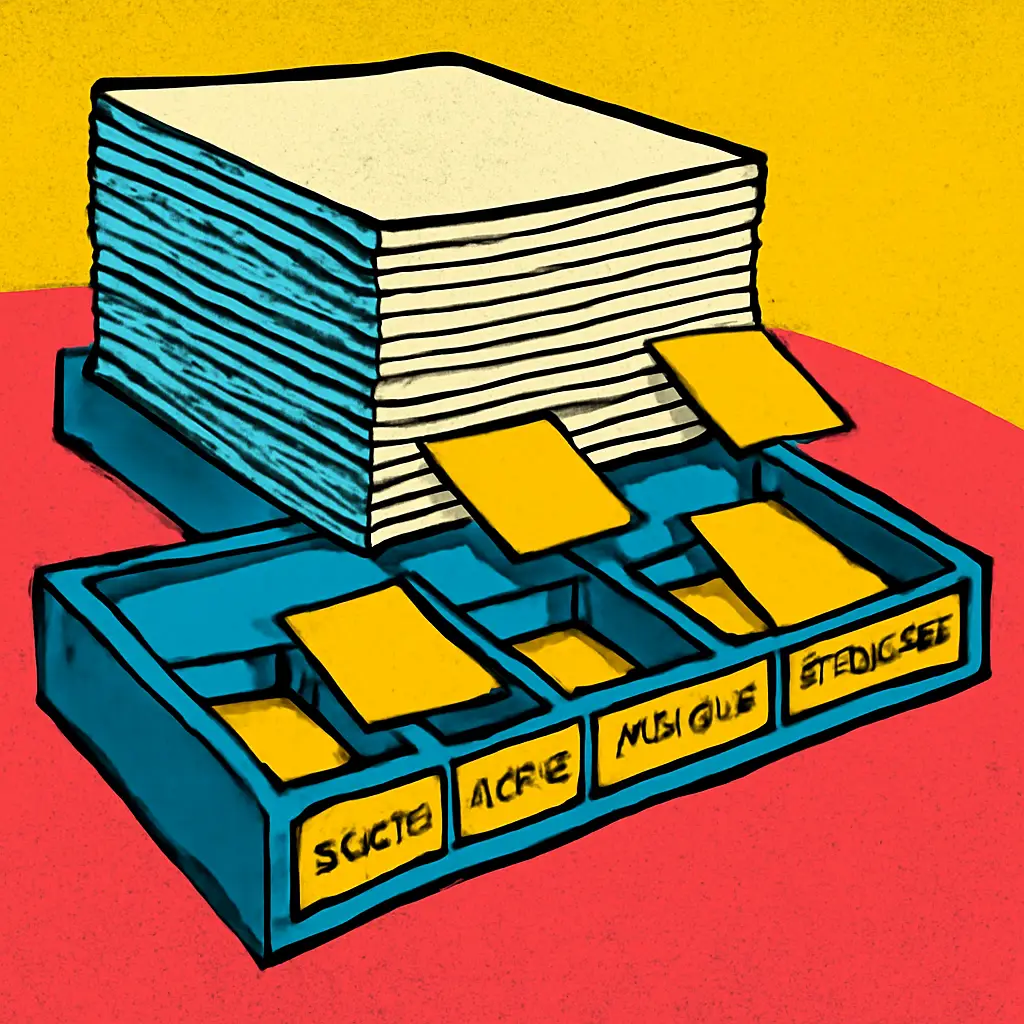
Before changing the draft, create a plain list in a scratch document, note, or the top of your task system. It should be temporary and deliberately short. You are not building a permanent archive of every remark; you are creating a control panel for this revision round.
Use four headings:
- Decide: choices that need an owner or answer before revision can proceed.
- Change: concrete edits you can make yourself.
- Ask: comments that are too vague, contradictory, or dependent on missing information.
- Leave: suggestions you have considered but will not apply in this version.
Under each heading, write compact actions rather than copying whole comments. Include a location only when it will help you find the passage again. For example:
- Decide: Confirm whether the proposal is for new customers only or all customers.
- Change: Move the eligibility explanation before the sign-up steps.
- Ask: “Make it friendlier” — ask whether the concern is tone, jargon, or length.
- Leave: Keep the technical term; it matches the required internal vocabulary.
Writing “respond to Jordan’s comments” is not a useful queue item. It preserves the clutter instead of reducing it. A good item describes the result you need, not the person or the thread that produced it.
Do one read-only pass before touching the prose
Read every comment and add it to the appropriate heading, but do not revise as you go. This boundary matters. Editing activates the urge to perfect a sentence, while triage requires you to see patterns across the document.
As you read, tag each item with one of three levels:
- Blocking: the document cannot be accurately completed until this is decided or clarified.
- Material: the change affects meaning, structure, audience understanding, or an important requirement.
- Local: the change is limited to wording, formatting, a typo, or a small factual correction that does not alter the rest.
You do not need a formal label beside every item if the categories are obvious. The purpose is to notice when five local-looking comments all point to one material problem. For instance, repeated requests to define terms, add examples, and simplify a heading may all mean the intended audience has not been introduced soon enough.
Group duplicates by the problem, not by the commenter
Several reviewers may circle the same issue using different language. Make one queue item for the underlying problem and list the relevant locations if needed. This prevents a common revision mistake: applying three separate fixes that make the same point three times.
Suppose one person asks for a shorter opening, another says the main recommendation arrives too late, and a third says the first section feels repetitive. Rather than making three isolated cuts, create one structural action: “Rebuild opening so the recommendation appears in the first paragraph; remove repeated background.”
This is also fairer to feedback. You acknowledge the shared concern without pretending every proposed wording change must survive.
Resolve decisions before drafting around them
Blocking decisions are expensive to ignore. They cause what might be called draft-around work: writing a polished explanation built on an assumption that later changes.
Move the blocking items to the top of your queue and give each one an owner. The owner may be you, a project lead, or the person who has the necessary information. Phrase the question so it can be answered quickly.
Instead of asking, “What do you think of this section?” ask, “Should this section describe the standard process only, or include exceptions for existing accounts?” The first invites another round of broad feedback. The second creates a usable fork in the road.
If an answer will not arrive soon, do not quietly guess unless you are authorized to do so. Mark the draft with a contained placeholder for that one decision and continue with independent work. A placeholder is useful when it protects the document from false certainty, not when it becomes a hiding place for avoidable questions.
Revise from the outside inward
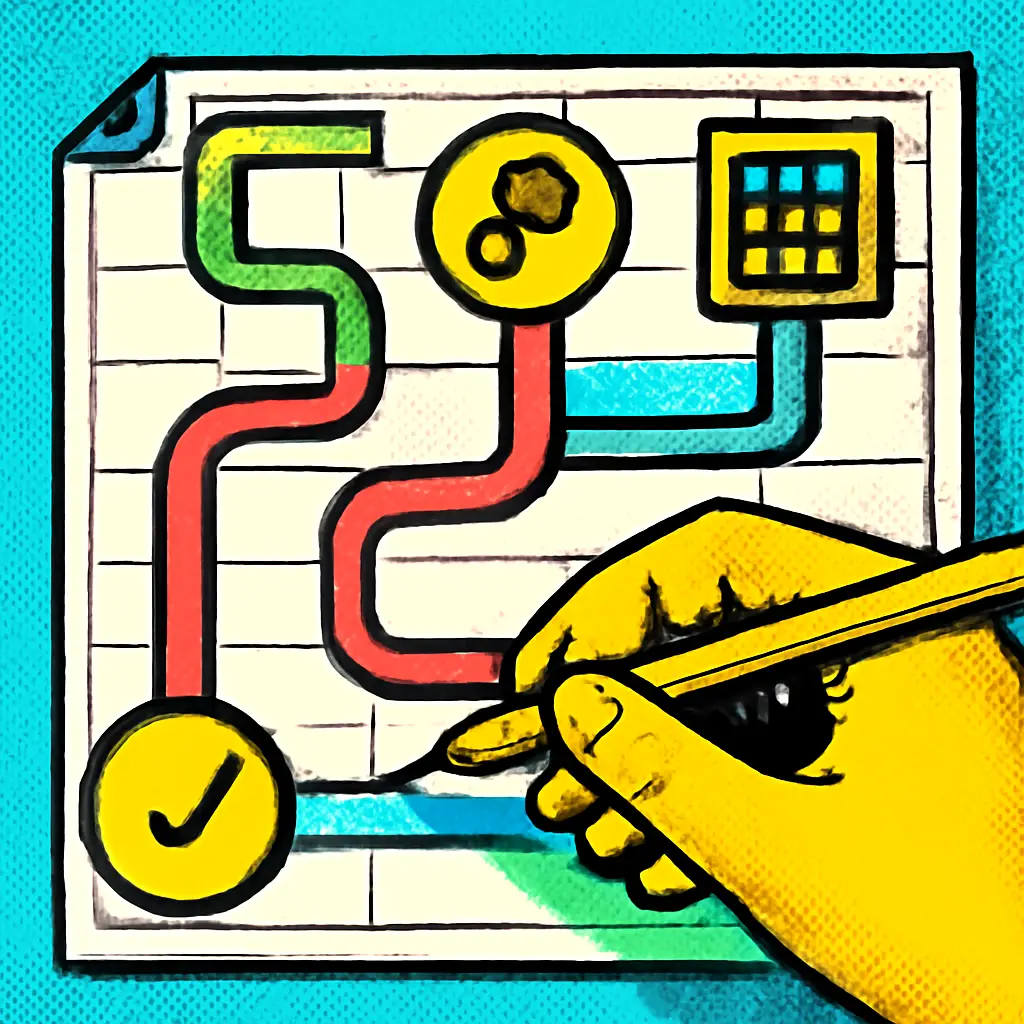
Once the decisions are settled, work through the queue in an order that minimizes rework:
- Purpose, audience, and required outcome.
- Major sections, sequence, and missing information.
- Paragraph logic and examples.
- Sentences, terminology, formatting, and mechanics.
This is not a rule that every document must be rebuilt from scratch. It is simply a safeguard against polishing material that a higher-level change will erase.
Keep the queue visible while you revise. After completing an item, check it off and resolve or remove the related source comments. Do not resolve all comments at the start just to make the margin look calmer. A resolved comment should mean one of three things: the edit is complete, the question has been answered, or you have intentionally decided not to make the change.
Use a “one change, one check” rhythm
After each material change, reread the immediate neighborhood: the paragraph before, the revised passage, and the paragraph after. Structural fixes often create small seams. A moved sentence may now repeat an idea, a new example may no longer match a heading, or a shortened transition may leave an unexplained pronoun.
This local check is faster than conducting a full cleanup after every edit, yet it catches the damage while you still remember why you made the change.
Handle conflicting feedback without averaging it
Conflicting comments do not always signal a problem with the reviewers. They may reveal a real tradeoff: brevity versus context, a specialist audience versus newcomers, or a confident tone versus a cautious one.
Do not average conflicting suggestions into a vague compromise sentence. First return to the document’s job. What should the reader be able to understand, decide, or do after reading it? Then choose the version that serves that job and the intended audience.
For example, one reviewer may want a detailed explanation of an internal process while another wants a two-page guide to remain skimmable. The solution may be a one-sentence summary in the guide and a separate reference document for the full process. If a separate reference is not appropriate, use a clear heading and put optional detail after the core instruction rather than diluting both sections.
When you need to explain your choice, be brief and concrete: “I kept the short version in the main flow because this guide is for first-time users; I added the exception in the notes section.” This is more helpful than defending every word.
Know when a comment should become a question
Some feedback is too imprecise to implement responsibly. “Make this stronger,” “this feels off,” and “can you expand?” may identify a genuine reader reaction, but they do not tell you what success looks like.
Turn vague feedback into a bounded question. Good follow-ups include:
- “Is the concern that the recommendation is unclear, or that the evidence is missing?”
- “Which reader would be confused at this point?”
- “Should this be shorter overall, or should it lead with the conclusion?”
- “Is the requested detail necessary for action, or useful background?”
Ask only when the answer changes your work. Do not outsource every editorial judgment. If the draft’s purpose is clear and the change is small, make the best reasonable edit and let the revised text invite a more specific response.
Finish with a comment audit, not another rewrite
When the revision queue is complete, do a final audit of the remaining comments. Search for unresolved threads, open questions, and notes that were attached to text you moved or deleted. Confirm that each remaining item has a reason to stay.
Then read the document once as a reader would: from the beginning, without jumping through comments. This is where you check whether the document has one coherent voice and sequence rather than a collection of successful individual fixes.
Be careful not to launch an unplanned new revision cycle during this read. Note genuine issues, correct clear errors, and stop when the document meets its agreed purpose. A clean comment pane is useful, but it is not the definition of a finished document.
A realistic example: turning 18 comments into six actions
Imagine an internal onboarding guide receives 18 comments. At first glance, they seem like 18 separate chores. During triage, you find that six comments ask for definitions, four object to the order of the steps, three request different wording for the same heading, two identify typos, two ask whether a policy applies to contractors, and one suggests a longer conclusion.
Your queue might become:
- Decide: Confirm whether contractors follow the same policy.
- Change: Add a short terms section before the steps.
- Change: Reorder the setup steps to match the actual sequence.
- Change: Replace the heading with language that names the reader’s task.
- Change: Correct the two typos.
- Leave: Do not add a longer conclusion; the guide already ends with the next required action.
The number of source comments has not been ignored. Their useful content has been consolidated into work that can be completed, reviewed, and explained.
Make the next revision easier
Before your next comment-heavy edit, reserve the first ten minutes for triage only. Create the four headings, read the comments without changing text, and identify the one decision most likely to create rework. Resolve or escalate that decision before you start polishing sentences.
You will still need judgment, and not every reviewer will agree with every choice. But your revision process will have a shape: understand the feedback, choose the work, make the changes in a sensible order, and verify that the final document still works as a whole.







Ad