

Checkout is at 11 a.m. Your flight leaves at 9 p.m. You have already seen the major sights, your suitcase is too heavy to enjoy carrying around, and the thought of spending eight hours in an airport is discouraging. This is one of travel’s most awkward gaps: too much time to simply wait, but not quite enough freedom to plan another full day.
The solution is not to fill every hour. It is to design a departure day with a clear center of gravity: one place where your bags, documents, phone power, and energy are under control. Then build only a few low-friction activities around it. A good last day should leave you ready to travel, not in need of recovery.
Start with the three times that actually matter
People often plan backward from the flight departure time alone. That creates false free time, because the flight is only the final appointment. Before making plans, write down three times:
- Hotel checkout: when you must leave the room.
- Airport-arrival target: the time you want to be at the airport, based on your airline, airport, bags, and comfort level.
- Leave-for-the-airport time: your airport-arrival target minus the travel time plus a sensible buffer for the route.
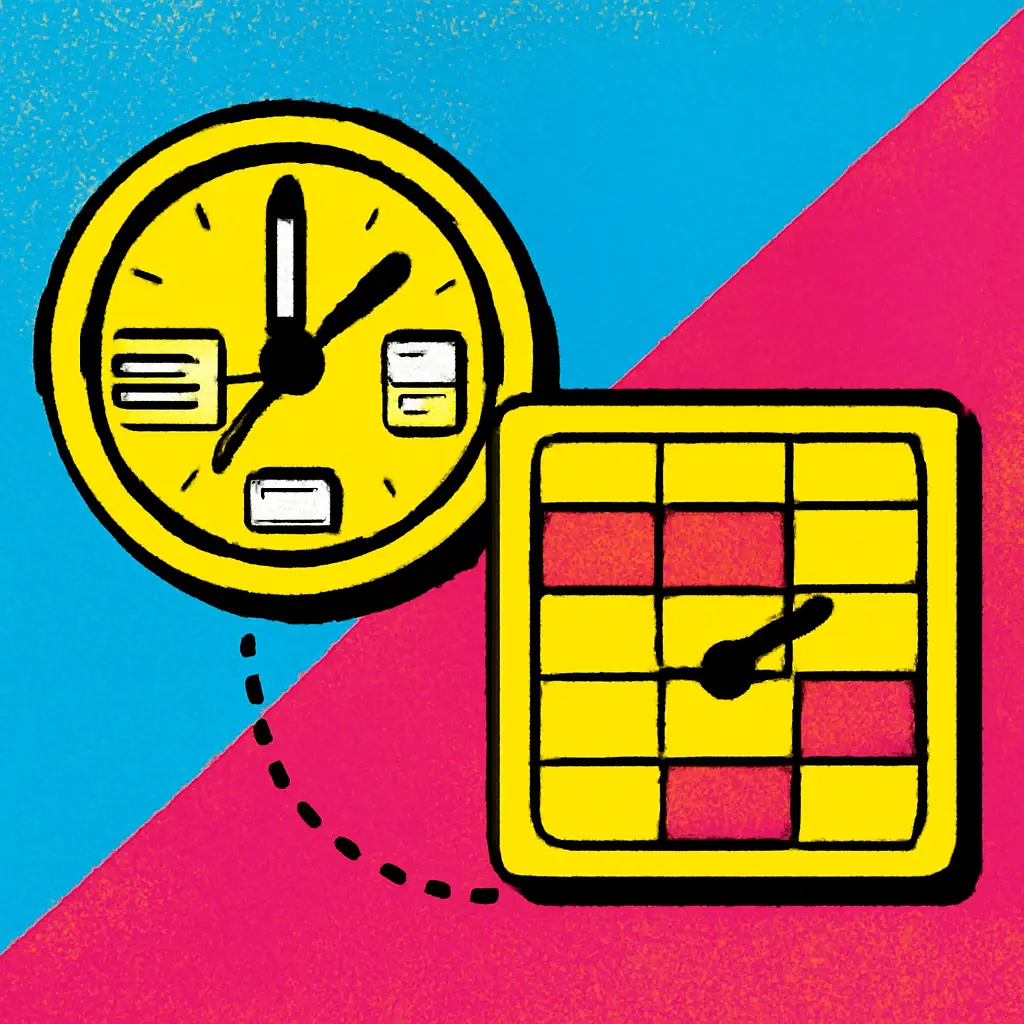
The period between checkout and your leave-for-the-airport time is your usable window. Protect the final part of that window. It is not spare time for “one more thing”; it is the transition that gets you and your belongings to the airport calmly.
For example, this is an illustrative schedule, not a rule: checkout at 11 a.m., planned airport arrival at 6:30 p.m., and a 50-minute trip to the airport. If you allow 30 extra minutes for finding the pickup point, traffic variation, or a wrong turn, your leave time is 5:10 p.m. That means you have just over six hours, not eight, to use after checkout.
The best departure-day plan has a deliberate ending. If an activity does not leave you with an easy route back to your bags and then to the airport, it is probably an arrival-day fantasy rather than a departure-day plan.
Choose a bag strategy before choosing an activity
Your luggage determines the kind of day you can have. Solve that practical issue first, while you are still at the hotel and have Wi-Fi, a bathroom, and time to think.
Option 1: Leave bags with the hotel
This is often the simplest option when you are departing from the same area. Ask the front desk whether it can hold luggage after checkout, where you collect it, and whether you need a claim ticket. Keep that ticket with your wallet or passport rather than dropping it into a pocket you may forget.
Hotel storage works especially well for a loop: lunch, one neighborhood walk or museum, a rest break, then back to the hotel for bags. Its hidden advantage is psychological. You know exactly where your things are and can return to a familiar place before the airport transfer.
Option 2: Use luggage storage near a transit hub
This can make sense if your hotel is far from the airport route or you want to spend the afternoon near the station or airport connection. It is best for a one-way day: check out, store bags near the route out, explore nearby, retrieve bags, and continue onward.
Before relying on this arrangement, check the location’s collection process and its relation to your final transport. “Near a station” is not automatically convenient if it is on the opposite side of a large terminal or requires a long detour.
Option 3: Keep only a small day bag with you
Whether your main luggage is at the hotel or in storage, carry a compact departure kit: passport or ID, payment method, phone, charging cable or battery, medication you need, a light layer, water, and any valuables. Include a clean top and basic toiletries if a shower or change of clothes would make the journey home more comfortable.
Do not bury travel documents in the suitcase just because they are “safe.” A bag-storage mix-up or a delayed return to the hotel should not separate you from what you need to board.
Build the day around one anchor, not a sightseeing sprint
A late departure day is an excellent time for one activity that benefits from unhurried attention. It is a poor time for a scattered checklist across town. Pick an anchor that has a predictable duration, seating, bathrooms, and a simple exit.
Good anchors include:
- a museum, gallery, library, or historic house you would enjoy even in bad weather;
- a long lunch in an area worth walking around afterward;
- a park, waterfront, or market close to a reliable transport route;
- a neighborhood you have not explored, with a single route rather than several timed stops;
- a cinema, café, or public indoor space when the weather is tiring or you need to recharge.
The point is not to make every choice universally “productive.” Sometimes the right anchor is a quiet lunch and an hour with a book. The last day of a trip often feels better when it creates a gentle landing rather than one last burst of achievement.
Use a three-block schedule to avoid dead time and rushed time
Instead of planning hour by hour, divide the gap into three jobs: reset, enjoy, and depart. This structure absorbs delays without making the whole plan collapse.
| Block | Purpose | What belongs here | What to avoid |
|---|---|---|---|
| Reset | Finish room tasks and lower friction. | Repack, charge devices, store bags, eat breakfast or an early lunch, confirm your route. | Starting a distant activity immediately after checkout. |
| Enjoy | Have one satisfying final experience. | Your chosen anchor plus a short walk, snack, or relaxed browse nearby. | Multiple reservations in different parts of the city. |
| Depart | Collect bags and move toward the airport with margin. | Bathroom stop, water refill, bag pickup, transport, airport check-in. | Shopping or sightseeing that depends on perfect timing. |
The reset block is easy to underestimate. Use the hotel room while you have it: shower, put liquids and electronics where you can access them, check under the bed and in outlets, and decide what you will wear for the flight. Once you have checked out, these small tasks become inconvenient.
In the enjoy block, stay geographically modest. A destination that is 20 minutes away may involve 40 minutes of travel there and back, plus the mental load of navigating with a departure deadline. Choose depth over distance.
The departure block begins earlier than your transport reservation. You may need to retrieve bags, walk to the pickup location, find a restroom, buy water, or reorient yourself after a long museum visit. Treat these as normal parts of travel rather than evidence that the schedule is failing.
Plan for your physical comfort on the flight
Departure-day plans often ignore the fact that the day ends in a cramped seat, a long drive, or another train connection. A few choices can make that final stretch more tolerable.
- Eat a real meal before the airport rush. A balanced lunch or early dinner is more reliable than hoping you will find something appealing once you are tired and past security.
- Keep a layer accessible. Put it in the day bag, not at the bottom of a packed suitcase. Temperature changes are common in transit spaces and onboard.
- Make a bathroom stop before collecting your bags or calling transport. This is a small move that prevents an uncomfortable sequence of waiting with luggage.
- Charge deliberately. If you find a convenient outlet during lunch or at your anchor activity, charge then. Do not save a nearly empty battery for the airport, where outlets may be occupied or inconvenient.
- Choose walking that suits your travel day. A pleasant stroll can help after sitting. An ambitious hike, beach day, or activity likely to leave you wet, dirty, sore, or sunburned may not be worth it just before a long journey.
There is no need to be overly cautious. The useful question is: will this leave me cleaner, calmer, and better organized than I am now? If the answer is no, save it for a day when you are not carrying a departure deadline.
Give yourself a “last useful stop” rule
Last-minute shopping is a common source of delay and overpacking. It can also be enjoyable when handled intentionally. Decide in advance what kind of final stop is allowed.
For instance, you might permit one grocery or food-shop visit for a snack to eat that day, or one bookstore stop if it is on the direct route back to your bags. Avoid entering a large shopping area “just to look” when you still need to collect luggage and travel to the airport.
If you buy something, ask three quick questions before paying: Can it fit in the bag I already have? Is it suitable for the next leg of travel? Do I have time to pack it without rearranging everything on a sidewalk or transit platform? If not, take a photo of it and move on.
Common plans that look efficient but usually are not
Checking out and going straight to the airport
This can be sensible for a very early departure, unreliable weather, or when you are exhausted. But for a long gap, it may turn a manageable day into an uncomfortable one. Airport seating, food options, and quiet space are not guaranteed. If you choose this route, bring a charged device, a layer, water, and something non-screen-based to do.
Booking an activity with a hard end time
A tour, show, or appointment that ends close to your airport departure window leaves little room for late starts, transit disruptions, or simply retrieving your luggage. On departure day, flexibility is valuable. Prefer an activity you can leave early without losing something essential.
Switching luggage locations mid-afternoon
Moving bags from a hotel to a station locker, or from one neighborhood to another, often feels like optimizing. Usually, it adds two extra tasks and another opportunity to leave something behind. Use one storage location unless changing locations clearly removes a major detour.
Trying to use every minute because the trip is ending
This is less a scheduling error than an emotional one. Wanting to prolong a good trip is understandable. But an unhurried final coffee, a familiar street, or a calm view can be a more memorable ending than a frantic attraction you barely see.
A realistic departure-day template
Imagine you have checked out, left your main bag at the hotel, and need to begin airport travel late in the afternoon. Start by settling your bag arrangement and confirming the route while you still have hotel Wi-Fi. Have an early lunch within walking distance. Spend the next few hours at one museum or in one walkable neighborhood, keeping your phone charged and your documents in your day bag.
About an hour before you need to collect the suitcase, stop for a drink, restroom break, and a quick review of your route. Walk back to the hotel without adding another errand. Retrieve the bag, check that the claim ticket is no longer in a pocket, and begin the airport trip. The plan is intentionally unglamorous at the end, which is exactly why it works.
Make a five-minute departure card
Before you leave the room, put these details in one note on your phone and, if you prefer, on paper:
- bag-storage location and claim-ticket location;
- the time you will start returning for your bags;
- your airport-bound route and a backup option;
- flight number or travel reference;
- what must stay in your day bag.
This is not a complicated itinerary. It is a way to keep the final day from relying on tired memory.
Your next action: on your next trip, circle your checkout time and write your leave-for-the-airport time beside it. Then choose one bag location and one enjoyable anchor between those two points. That is enough to turn a long, awkward gap into a usable final day.






Ad