

The rent is due tomorrow. One person thought the other had sent their share; the other assumed autopay would pull the whole amount. Neither assumption was unreasonable, but together they create the same stressful result: a bill that was affordable becomes urgent.
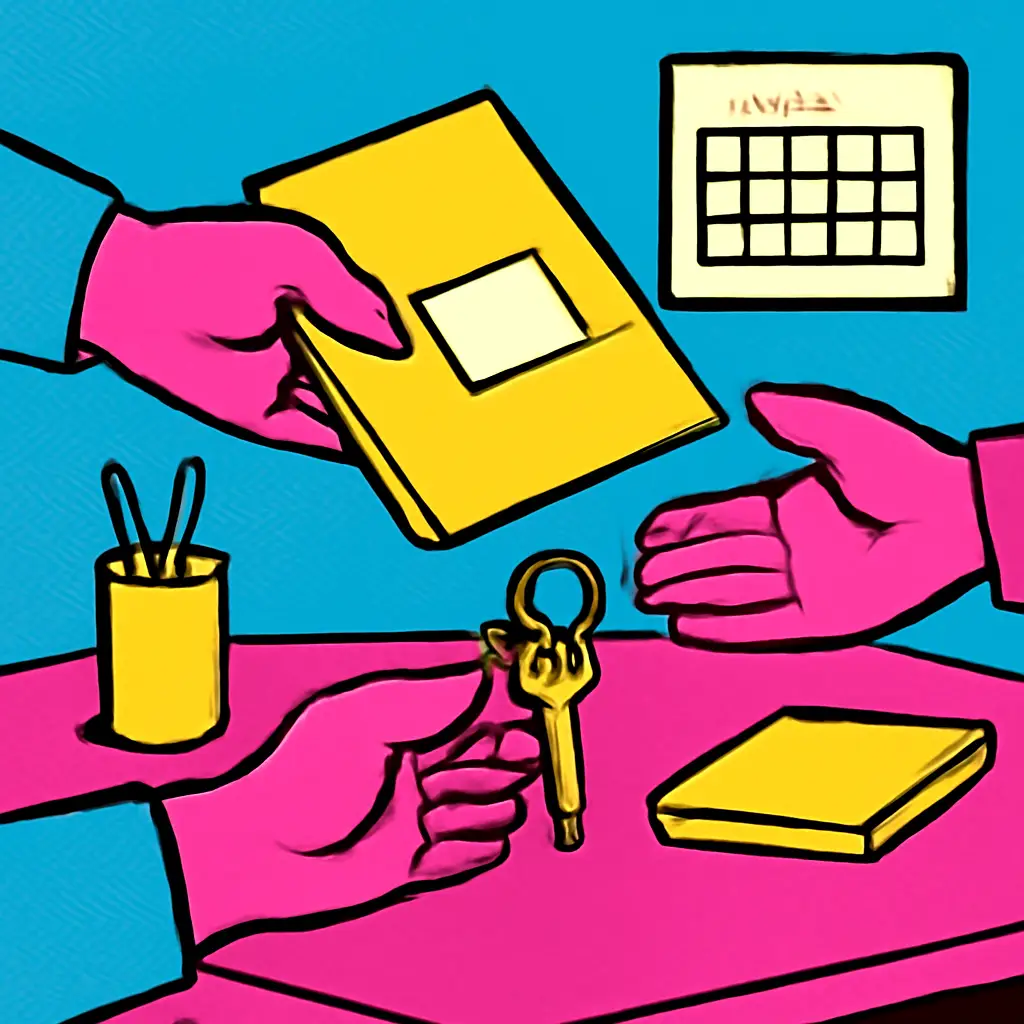
Couples can manage household bills well without combining bank accounts. What they need is not constant conversation about every purchase. They need a clear handoff: who receives the bill, who pays it, what the other person owes, and how both people can tell that the task is actually finished.
This system is especially useful when you divide costs unevenly, have different payday schedules, or want financial independence while sharing a home. It is an organizational method, not a rule about what a “fair” split must be.
Separate accounts create a handoff problem
A shared account makes some household payments mechanically simple, but it does not automatically create communication. Separate accounts add one extra step: money has to move from one person to another before, or after, a bill is paid.
That step tends to fail for predictable reasons:
- The person paying the bill does not mention that the amount changed.
- The person sending a share sees the request but waits until payday, then forgets.
- Autopay works until a card expires, a bank balance is low, or a charge is unusually large.
- A yearly or quarterly charge arrives without the routine of a monthly bill.
- Both people remember discussing a bill but cannot recall the decision they made.
The solution is to make the payment status visible. A text message can start the process, but it is a poor long-term record: amounts and due dates disappear into conversation, and a message saying “I’ll handle it” does not show whether it happened.
A bill is not jointly managed because both people know it exists. It is jointly managed when one person owns the next step and the other can see the result.
Start with a one-page household bill map
List only expenses that affect both of you: housing, utilities, internet, groceries if you settle them regularly, insurance you intentionally share, and recurring home services. Keep personal subscriptions, hobbies, and individual debts off this list. A bill map should clarify a shared commitment, not become surveillance.
For each item, decide four things before the next payment cycle:
- The payer: whose account, card, or cash payment actually covers the bill.
- The split: an equal amount, a percentage, or a specific agreement for that bill.
- The send-by date: the date the other person sends their portion, which should usually be earlier than the bill due date.
- The proof of completion: a checked line in a shared note, a saved receipt, or a status in a simple spreadsheet.
Do not make “we’ll settle up at the end of the month” the default unless your cash flow comfortably allows it. The payer may be carrying several weeks of shared costs without realizing it, while the other person may be unaware of how large the total has become.
A send-by date makes the arrangement kinder to the payer’s account. If a bill is due on the 20th, a send-by date of the 15th leaves time to notice a missed transfer, a changed amount, or a payment problem without turning it into an emergency.
A bill map can be very plain
| Bill | Payer | Split | Other person sends by | Completion signal |
|---|---|---|---|---|
| Rent | Jordan | Fixed agreed shares | 15th | “Sent” and “paid” marked in shared list |
| Electricity | Casey | 50/50 | Three days before due date | Amount entered after bill arrives |
| Internet | Jordan | 50/50 | Same date each month | Autopay checked after charge posts |
| Annual renter-related fee | Casey | As agreed | One month before due date | Calendar reminder and paid mark |
The names and timing are hypothetical. What matters is that a person reading the map can answer, without guessing, who does what next.
Use two statuses, not one vague reminder
“Bill paid” combines two different events when accounts are separate: the non-payer sends their share, and the payer submits the bill payment. Track both. A simple shared note might use these labels:
- Amount known: the bill has arrived or the expected amount has been confirmed.
- Share sent: the non-payer has transferred their portion.
- Bill paid: the payer has made the payment or confirmed a successful autopay.
- Needs attention: something changed, such as a higher charge or a failed payment.
This may sound fussy for a $30 utility bill, but the habit prevents confusion on the largest obligations. It also avoids an awkward pattern where the payer must repeatedly ask, “Did you send it?” A visible status is a neutral prompt rather than a personal accusation.
If you use a spreadsheet, avoid adding lots of columns. Date received, total amount, each person’s share, send-by date, and the two completion dates are enough. If a shared note works better, use a repeated monthly checklist. The best tool is one both people will open.
Handle changing bills with a “notice, not surprise” rule
Variable household costs create more friction than fixed ones because neither person knows what to transfer until someone sees the bill. Agree that the payer will send the total and the other person’s share as soon as the amount is known. The non-payer then responds with either a transfer or a specific timing plan.
For example, suppose an electricity bill is normally around $90, but this month it is $146. If the agreed split is half, the non-payer’s illustrative share is $73. Sending a message that says only “electric bill is high” leaves the next action unclear. “Electricity is $146; your half is $73; it is due Friday, and sending it by Wednesday works” gives all the useful details.
Notice does not mean either person must defend routine changes. It simply keeps both people from discovering a larger-than-expected withdrawal after the fact. If the change makes the usual split difficult, discuss the plan before the due date: perhaps one person sends part now and part on their next payday, and the payer agrees to that arrangement explicitly.
Put irregular bills on the same map before they become urgent
Monthly bills get attention because they recur often. Less-frequent obligations are easy to forget precisely because they are not part of the regular rhythm. Add annual, semiannual, or occasional household costs to the bill map with an expected month and a reminder well ahead of time.
For a cost that both people will share, choose one of these approaches:
- Save gradually: each person sets aside a small agreed amount regularly in their own account.
- Fund it ahead of time: the non-payer transfers their share a month or more before it is due, and the payer keeps it clearly designated for that bill.
- Settle after payment: use this only when both people have agreed that the payer can comfortably cover it temporarily.
The first two methods are usually less tense because they turn a large future transfer into a planned part of the household routine. If you keep money designated for a future shared bill, label it in your records. Otherwise, it can quietly get treated as available spending money.
Choose a settlement rhythm that matches paydays
Trying to settle every shared cost immediately can be exhausting. Waiting a month can make the total unclear. A weekly, twice-monthly, or payday-based rhythm often works better for flexible expenses such as groceries and supplies.
Keep fixed bills outside that rhythm. Their deadlines are real, so use their own send-by dates. Then use a predictable check-in for the smaller expenses that accumulate.
A short check-in can cover three questions:
- Which household bills are due before the next check-in?
- Has either amount changed or failed to process?
- What shared spending needs to be settled now?
This should take minutes, not become a review of each other’s personal finances. The goal is to coordinate commitments, not require disclosure beyond what the household arrangement needs.
Plan for the awkward cases in advance
When one person cannot send their share on time
Say so before the send-by date and name a realistic date or partial amount. Silence makes the payer unable to plan; a clear update gives them a choice. If late transfers happen repeatedly, the system is revealing a mismatch between the agreement and actual cash flow. Revisit the split, timing, or which bills each person pays rather than relying on repeated last-minute fixes.
When a payment fails
The account holder should alert the other person promptly, even if the other person already sent their share. Then decide who will take the next action and record the corrected status. Avoid treating a failed autopay as a private mistake if it affects a shared obligation.
When someone moves out or the arrangement ends
Stop using a running informal balance. Make a final list of bills already paid, bills still due, deposits or credits to be handled according to the relevant agreement, and exact amounts each person owes. Keep records of payments. Shared finances are easiest to unwind when the history is not trapped in memory.
If both names are attached to a housing or service obligation, a private agreement between you does not necessarily change what the provider expects. Check the actual account or contract and complete any required changes directly.
Mistakes that make a simple system feel harder
- Using an estimate after the real bill arrives. Estimates are useful for planning, but update the record when the actual amount is known.
- Assigning a payer without assigning a due-date backup. The other person should know when to ask, “Did that go through?”
- Mixing ordinary bills with discretionary favors. A shared internet bill and covering someone’s personal dinner are different kinds of transactions.
- Changing the split casually and never recording it. A temporary exception can become a source of resentment if each person remembers it differently.
- Relying on one person to remember everything. The payer may perform the transaction, but both people can maintain visibility.
Make the first version tonight
You do not need to solve every financial decision at once. Open a shared note and list the next three household bills. For each, write the payer, the other person’s share, the send-by date, and the completion signal. Then add one irregular bill you know will return later.
That small map turns “I thought you had it” into a process that both people can follow—while leaving each person’s bank account and everyday spending their own.







Ad